
Fiber vs. Calorie Blocking: What’s More Effective for Weight Loss?
Discover how fiber supplements compare to calorie-blocking ingredients for weight loss. Learn why natural prebiotic fiber like Monch Monch supports fullness, digestion, and sustainable results.
Updated
Everyone wants a simple and effective way to manage their weight, but with so many options available, from diet pills to supplements that claim to block calories, it can be hard to know what actually works. Two approaches that often come up are increasing fiber intake or using calorie-blocking ingredients. Both can affect the body in different ways, and understanding these differences can help you make choices that support long-term health.
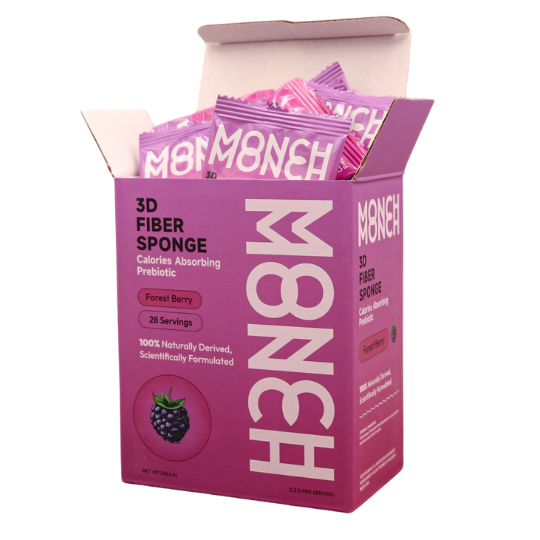
Adding natural, prebiotic fiber to your diet is a strategy backed by science and used by millions to support healthy digestion and satiety. Supplements like Monch Monch provide clean, clinically studied fibers that help you feel full, support stable blood sugar, and nourish your gut microbiome. Unlike calorie-blocking products, fiber works with your body to support sustainable weight management and overall digestive wellness.
How Fiber Supports Weight Loss
Fiber is a type of carbohydrate that your body cannot digest, yet it plays a crucial role in supporting healthy weight management. Unlike other carbohydrates that are broken down into sugar for energy, fiber passes through your digestive system largely intact. This unique property allows fiber to provide benefits beyond basic nutrition, helping you feel full, stabilize blood sugar, and maintain regular digestion.
Soluble fibers absorb water and form a gel-like substance in the stomach. This slows digestion and creates a feeling of fullness, which can reduce the urge to snack between meals or overeat. Examples of soluble fiber include oats, chia seeds, and legumes. Insoluble fibers, found in foods like whole grains, vegetables, and wheat bran, add bulk to stool and support healthy digestion. They help food move efficiently through the digestive tract, reducing constipation and promoting regular bowel movements.
Prebiotic fibers take these benefits a step further by feeding the beneficial bacteria in your gut. A healthy gut microbiome plays an important role in metabolism, energy regulation, and even appetite signaling. By nourishing these bacteria, prebiotic fibers can help your body better manage calories and support overall digestive wellness.
Adding fiber to your diet through whole foods or a high-quality supplement like Monch Monch prebiotic fiber can make a real difference. Monch Monch offers naturally derived, clinically studied fibers that help you feel satisfied, maintain digestive comfort, and support stable blood sugar levels. By working with your body and microbiome, fiber provides a sustainable approach to weight management that goes beyond short-term results.
How Fiber and Calorie Blocking Compare for Weight Loss
When deciding which weight management strategy to focus on, it is important to understand how each approach works in the body and the benefits they offer. Fiber and calorie-blocking supplements target different mechanisms.
Fiber works naturally with your digestive system and microbiome to support fullness, metabolism, and overall gut health. Calorie-blocking supplements, by contrast, aim to reduce the number of calories your body absorbs from certain foods, but they do not provide the same holistic benefits for digestion or metabolic health. Knowing these differences can help you make informed choices for sustainable weight management.
Satiety and Appetite Control
- Fiber promotes a feeling of fullness by absorbing water and expanding in the stomach.
- Feeling satisfied after meals can reduce overeating naturally, helping to prevent unnecessary snacking or large portions.
- Calorie-blocking ingredients do not directly influence hunger, so they are less effective at helping you manage appetite.
Digestive Health
- Prebiotic fibers feed beneficial gut bacteria and support a diverse and healthy microbiome.
- Fiber can improve digestion, reduce bloating, and promote regular bowel movements when introduced gradually.
- Calorie-blocking ingredients may cause digestive discomfort, including bloating, gas, or loose stools, and do not provide benefits for gut health.
Long-Term Effectiveness
- Fiber supports lasting weight management by stabilizing blood sugar, controlling appetite, and improving digestion.
- Calorie-blocking supplements may reduce absorbed calories temporarily but are less reliable for maintaining weight loss over time.
Metabolic Support
- Fiber slows the absorption of sugar into the bloodstream, helping maintain steady energy and supporting metabolic balance throughout the day.
- Calorie-blockers do not directly affect blood sugar or metabolism, which limits their overall impact on long-term weight management.
Choosing fiber over calorie-blocking supplements offers benefits beyond just reducing calories. Fiber supports many different health functions including: digestion, nourishes the gut microbiome, helps regulate appetite, and promotes metabolic balance, all essential components for maintaining a healthy weight over time.
How Calorie-Blocking Supplements Work
Calorie-blocking supplements are designed to reduce the number of calories your body absorbs from food:
- Starch Blockers: Inhibit enzymes that digest carbohydrates.
- Fat Blockers: Prevent a portion of dietary fat from being absorbed.
- Potential Side Effects: Digestive discomfort, bloating, or loose stools can occur, and results may vary.
While they may offer short-term reductions in calorie absorption, they do not provide the digestive or metabolic benefits that fiber offers.
How to Incorporate Fiber for Effective Weight Management
If your goal is sustainable weight loss, adding natural fiber to your routine is a simple and effective strategy:
- Choose prebiotic fibers that feed your gut bacteria and support digestion.
- Introduce fiber gradually to avoid bloating or gas, and drink plenty of water.
- Combine fiber supplementation with balanced meals and regular physical activity.
- Consider Monch Monch prebiotic fiber as a clean, science-backed option to help you feel full and support digestive health.
Why Fiber Is a Better Long-Term Solution
When it comes to lasting weight management, fiber offers benefits that calorie-blocking ingredients cannot match. Fiber not only promotes fullness but also nourishes your microbiome, stabilizes blood sugar, and supports digestive health. Calorie-blocking supplements may help reduce absorbed calories in the short term, but they do not provide these holistic benefits. For sustainable results, fiber is a natural and reliable choice.

Keep reading
Related posts

How Slowing Digestion Can Support More Stable Energy Levels
Do you ever eat a balanced, healthy meal, but still have your energy crash an hour later? This often happens when digestion occurs too quickly, as sharp changes in blood sugar leave you feeling drained. Each nutrient in food is absorbed at a different rate, and ensuring slower rates of digestion can help to support more stable energy levels. Fiber also helps to slow down the rate of food absorption, and supplements like Monch Monch further slow down this process.

How the Body Processes Excess Carbs and Calories After Meals
Discover how fiber supplements support weight loss by curbing cravings, balancing blood sugar, and boosting satiety. Learn how Monch Monch® makes it easy and effective.

Fiber Supplements vs. Whole Foods
Discover how fiber supplements support weight loss by curbing cravings, balancing blood sugar, and boosting satiety. Learn how Monch Monch® makes it easy and effective.